
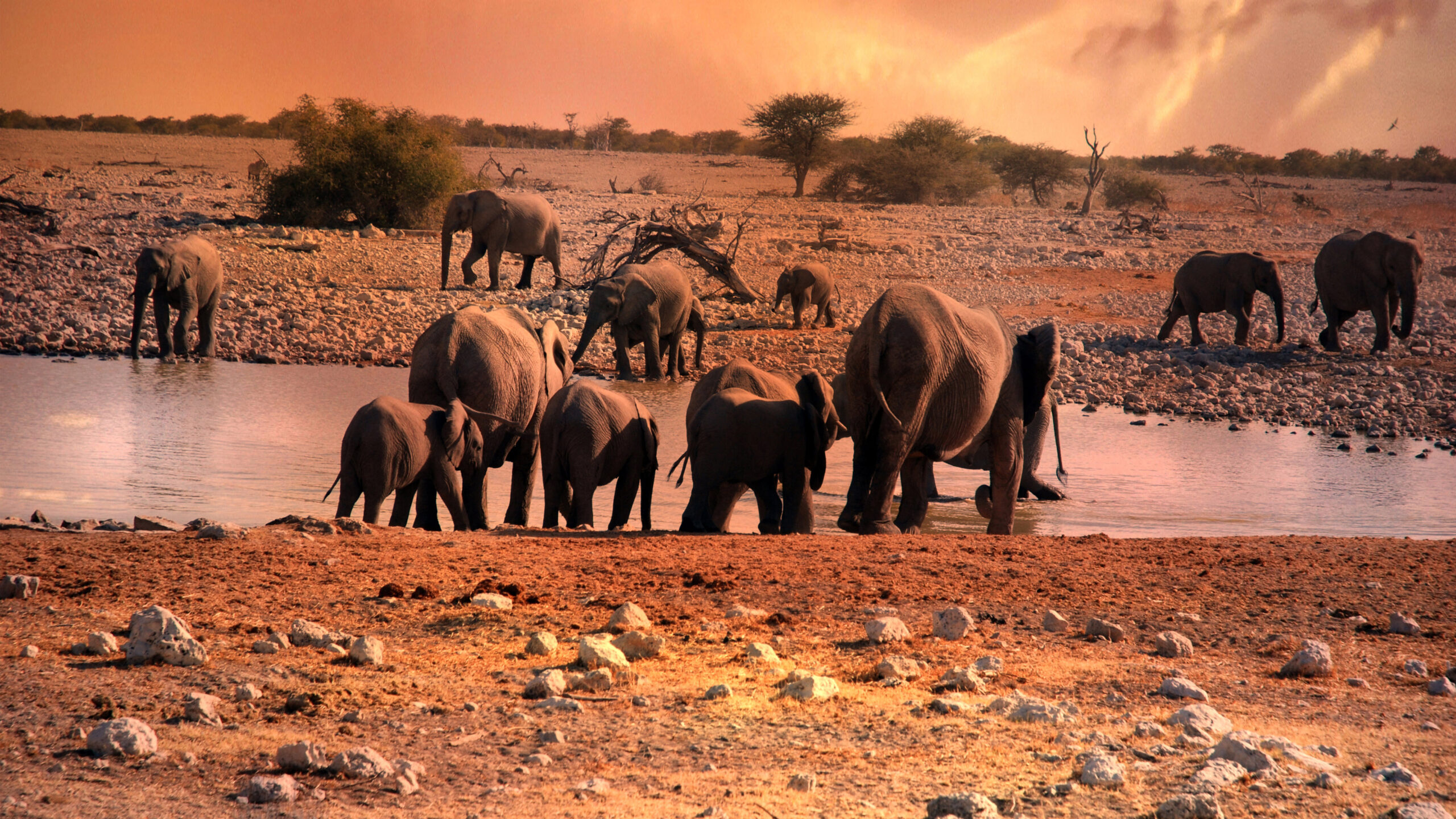
Wildlife
Wildlife refers to all the non-domesticated plants, animals, fungi, and other organisms that inhabit natural environments. This term encompasses a vast array of species living in various ecosystems such as forests, grasslands, wetlands, deserts, oceans, and more. Wildlife plays a crucial role in maintaining ecological balance and providing various ecosystem services.
Here are some key points about wildlife:
- Biodiversity: Wildlife contributes to the Earth’s biodiversity, which is the variety of life forms found in different ecosystems. Biodiversity is essential for the stability and resilience of ecosystems.
- Ecosystem Services: Wildlife provides important ecosystem services such as pollination, seed dispersal, nutrient cycling, and pest control. These services are vital for maintaining healthy ecosystems and supporting human well-being.
- Ecological Balance: Predators help control the populations of prey species, preventing overpopulation of certain organisms and maintaining the balance within ecosystems.
- Cultural and Aesthetic Value: Many cultures have deep connections to wildlife, considering certain species as symbols or sacred beings. Additionally, wildlife adds to the beauty and aesthetic value of natural landscapes.
- Threats to Wildlife: Human activities such as habitat destruction, pollution, climate change, illegal hunting (poaching), and the introduction of invasive species pose significant threats to wildlife populations.
- Conservation Efforts: Conservation aims to protect and preserve wildlife and their habitats. This involves establishing protected areas, implementing wildlife management plans, conducting scientific research, and raising awareness about the importance of wildlife conservation.
- Endangered Species: Some species are at risk of extinction due to various factors. Conservation organizations work to identify and protect these endangered species and their habitats.
- Wildlife Tourism: Observing and experiencing wildlife in their natural habitats has become a significant industry in many parts of the world. Responsible wildlife tourism can contribute to conservation efforts and raise awareness about the importance of protecting wildlife.
- Zoos and Conservation Centers: Zoos and wildlife conservation centers play a role in education, research, and captive breeding programs for endangered species. They contribute to public awareness and understanding of wildlife.
- Global Efforts: Many international organizations, such as the World Wildlife Fund (WWF) and the Convention on International Trade in Endangered Species of Wild Fauna and Flora (CITES), work to address global wildlife conservation challenges.
Overall, the preservation of wildlife is essential for maintaining healthy ecosystems, sustaining biodiversity, and ensuring the long-term well-being of our planet and future generations.